
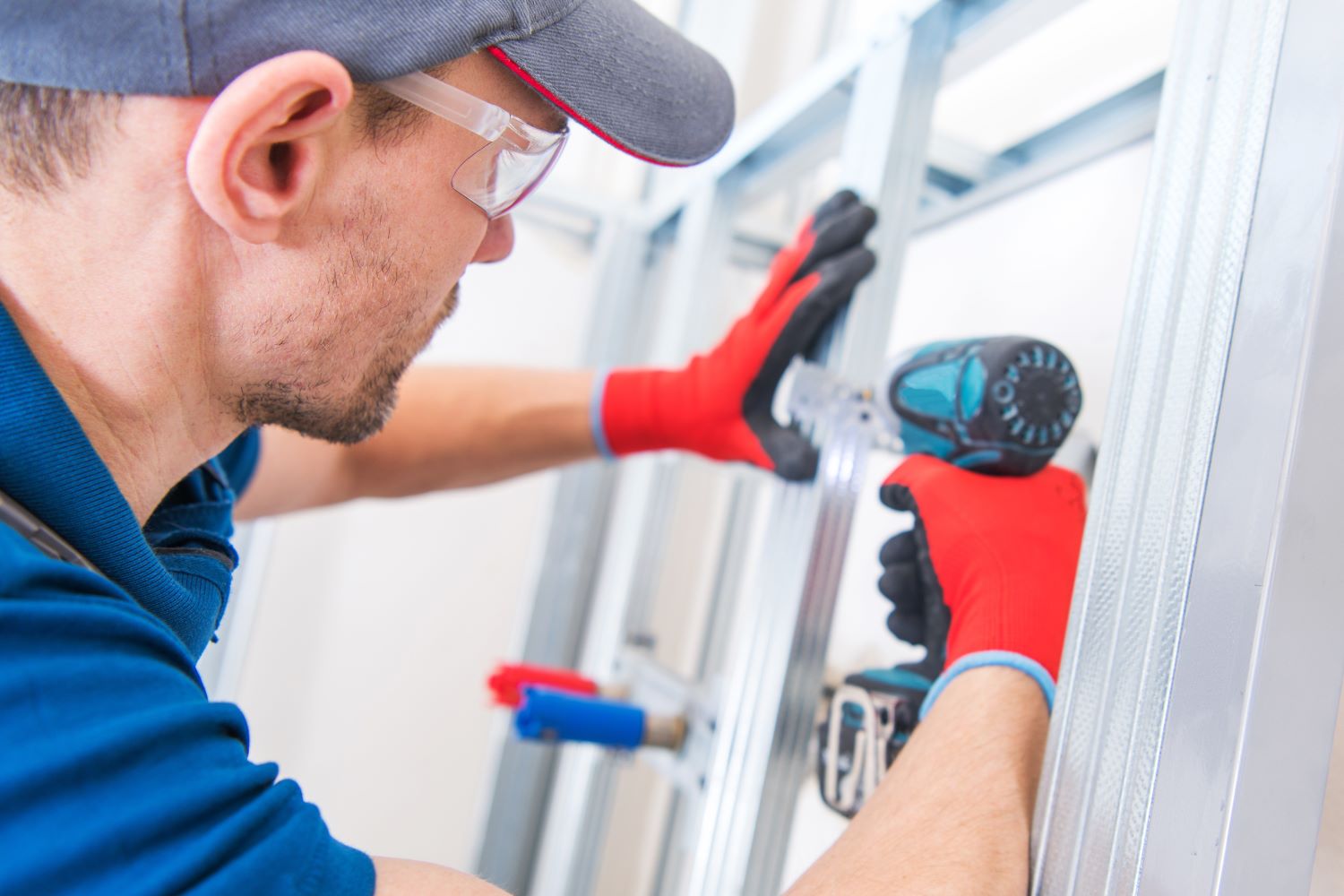
บริษัทสร้างบ้านแบบไหนที่ใช่สำหรับคุณ
การสร้างบ้านเป็นโครงการใหญ่ที่ต้องใช้เงินลงทุนจำนวนมาก ดังนั้นการเลือกบริษัทรับสร้างบ้านจึงมีความสำคัญอย่างยิ่ง การเลือกบริษัทรับสร้างบ้านที่ใช่จะช่วยให้คุณได้รับบ้านที่ตรงตามความต้องการและงบประมาณของคุณมากที่สุด โดยทั่วไป บริษัทรับสร้างบ้านสามารถแบ่งออกได้เป็น 2 ประเภทหลัก ๆ คือ บริษัทรับสร้างบ้านแบบครบวงจร บริษัทรับสร้างบ้านแบบครบวงจรคือบริษัทที่ให้บริการตั้งแต่เริ่มต้นไปจนถึงสิ้นสุดโครงการ โดยบริษัทจะเป็นผู้รับผิดชอบตั้งแต่การออกแบบบ้าน การจัดหาวัสดุก่อสร้าง การก่อสร้าง ไปจนถึงการส่งมอบบ้านให้กับลูกค้า ข้อดีของการเลือกบริษัทรับสร้างบ้านแบบครบวงจรคือ คุณไม่ต้องกังวลเรื่องความต่อเนื่องของงานก่อสร้าง เนื่องจากบริษัทจะเป็นผู้รับผิดชอบทั้งหมด นอกจากนี้ คุณยังสามารถขอคำแนะนำจากบริษัทเกี่ยวกับการออกแบบบ้านและงบประมาณการก่อสร้างได้อีกด้วย ข้อเสียของการเลือกบริษัทรับสร้างบ้านแบบครบวงจรคือ ราคาการก่อสร้างมักจะสูงกว่าบริษัทรับสร้างบ้านแบบเฉพาะทาง เนื่องจากบริษัทต้องรับผิดชอบงานทั้งหมด บริษัทรับสร้างบ้านแบบเฉพาะทาง บริษัทรับสร้างบ้านแบบเฉพาะทางคือบริษัทที่เชี่ยวชาญเฉพาะด้านการก่อสร้าง เช่น การก่อสร้างบ้านน็อคดาวน์ การก่อสร้างบ้านโมเดิร์น หรือการก่อสร้างบ้านสไตล์รีสอร์ท ข้อดีของการเลือกบริษัทรับสร้างบ้านแบบเฉพาะทางคือ คุณจะได้บ้านที่ตรงตามความต้องการและงบประมาณของคุณมากที่สุด เนื่องจากบริษัทมีความเชี่ยวชาญเฉพาะด้าน ข้อเสียของการเลือกบริษัทรับสร้างบ้านแบบเฉพาะทางคือ หากคุณต้องการปรับเปลี่ยนแบบบ้านหรืองบประมาณการก่อสร้าง อาจทำได้ยาก…